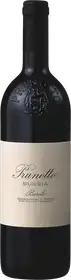
Antinori - Prunotto : Cerretta 2018
In stock. Available for pick-up at store
Let's talk about this product!
A pairing in mind? A question about the vintage? Comparison with another product? Find the answers here...
Description
Characteristics and tasting tips for the Cerretta 2018 Antinori - Prunotto
Tasting
Nose
The nose is complex and spicy.
Palate
The palate shows structured tannins, described in tasting notes as prominent. The style aims for finesse rather than sheer mass. Critics have commented on the wine's concentration and breed.
Serving and cellaring
Tasting notes for the Cerretta 2018 mention prominent tannins and call for patience.
A Piedmont Barolo from Serralunga d'Alba with structured tannins
The Estate
Antinori - Prunotto is based in Alba, in the Langhe region of Piedmont. The house dates from 1922, when Alfredo Prunotto and his wife Luigina took over a cooperative founded in 1904 and renamed it. From the 1961 vintage, it named Bussia on its labels, an early example of single-vineyard bottling. The Antinori family, the current owner, took over production in 1994. The vineyards cover about 65 hectares across the Langhe and Monferrato. Albiera Antinori, now chair of the Antinori group, was entrusted with the estate in the 1990s.
The Vineyard
This Barolo comes from Cerretta, a single vineyard in the commune of Serralunga d'Alba. The commune is known for Barolo with firm, structured tannins. The estate describes the site as a "splendid vineyard" and produced its first Cerretta in the 2017 vintage. The estate does not publish details on Cerretta's soils, altitude or exposure. Serralunga in general is associated with marl-limestone soils that are often poorer and more compact. Vineyard management in Barolo follows strict rules, including single Guyot pruning.
Winemaking and aging
Specific technical details for the Cerretta 2018 are not published. Technical sheets for recent vintages of Cerretta, the cuvée to which the Cerretta 2018 belongs, report the following:
- Maceration lasts 8 to 10 days at a temperature not exceeding 86°F (30°C).
- Malolactic fermentation is completed before the end of winter.
- The wine ages at least 18 months in oak casks of various sizes.
Grape Variety
100% Nebbiolo