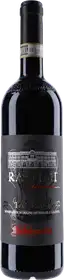
Mastroberardino : Stilèma Riserva 2018
In stock. Available for pick-up at store
Let's talk about this product!
A pairing in mind? A question about the vintage? Comparison with another product? Find the answers here...
Description
Characteristics and Tasting Tips for the Stilèma Riserva 2018 Mastroberardino
Tasting
Color
The color is a pale, soft ruby with delicate highlights and a luminous transparency.
Nose
The nose is complex, with fruity and floral notes alongside spices. Cherry, plum, blackberry, tobacco, vanilla, leather and clove appear, along with a hint of caramel. Saline, mineral notes of hot tar, volcanic smoke and petroleum come through, followed by a ripe, juicy heart of black plums, caramelized figs, dark cherries and small dried strawberries. Mediterranean aromas of thyme, bay laurel and black tea mingle with a touch of orange zest, then with more evolved nuances of resin, soft tobacco, toasted spices and fine wood.
Palate
On the palate, the wine is fresh, savory and agile, with silky tannins. It is austere and complex yet very easy to drink. The attack is enveloping and then taut, with a vertical, full-bodied structure that never feels heavy. The tight, finely polished tannins support a succulent core of ripe red fruit and sweet citrus, with a saline, mineral edge. Well-integrated acidity adds rhythm, and the long, elegant finish returns with notes of toasted herbs, dark spices and fruit in spirits.
Food and wine pairings
This structured red suits dishes with plenty of flavor. It pairs well with roasted or braised red meats, game, slow-cooked lamb or beef, and rich meat ragùs, including pasta such as paccheri with Neapolitan ragù. Lightly smoked or grilled dishes echo its mineral, tarry character. Aged mountain cheeses are another good match.
Serving and cellaring
The Stilèma Riserva 2018 is best served at around 18°C (about 64°F). The estate announces an aging potential of more than 50 years.
Other characteristics
According to certain commercial sources, the alcohol content is 13 % by volume.
A Taurasi Riserva Shaped by High-Altitude Aglianico and Long Aging
The Estate
Mastroberardino is based in Atripalda, in Irpinia, Campania, Italy. The family has been present in local winegrowing since the mid-18th century, but the winery was officially registered in 1878 by Angelo Mastroberardino with the Avellino Chamber of Commerce. It remains family owned and is led today by Piero Mastroberardino, a tenth-generation winegrower and president since the mid-1990s. Antonio Mastroberardino's replanting program helped preserve native varieties such as Aglianico, Fiano and Greco. The estate holds VIVA Sustainable Wine certification.
The Vineyard
This Taurasi DOCG Riserva comes from the family's own vineyards in the most characteristic sub-zones of the appellation: Montemarano and Castelfranci, both at 600 meters (about 1,970 feet) of elevation, and Paternopoli, at 540 meters (about 1,770 feet). The soils of Montemarano and Castelfranci are clay-limestone. Paternopoli has medium-textured soils that balance clay, silt and sand. Irpinia's high elevations create cool microclimates with marked day-to-night temperature swings, which help preserve acidity and aromas. The vines are planted at about 5,000 vines per hectare, with yields of around 60 quintals per hectare (roughly 6 metric tons) and about 1.2 kg of grapes per vine. The vines are about 20 years old on average. The estate follows integrated and organic practices in its vineyards, and field margins are managed as habitats for pollinators and other beneficial organisms.
The Vintage
For the 2018 vintage, the harvest took place by hand from late October through the first ten days of November. This is typical timing for late-ripening Aglianico grown at elevation.
Winemaking and aging
For the Stilèma Riserva 2018, the macerations are deliberately short, lasting seven to eight days at a controlled temperature of 18 to 20°C (64 to 68°F), in order to moderate extraction. The wine is then aged for about 30 months in 50-hectoliter Slavonian oak casks and used French oak barriques, with no new wood, to preserve the finesse of the grape. It rests for about 48 more months in bottle. It is generally released only after at least six years have passed since the harvest.
Grape Varieties
100 % Aglianico