Assistant



 Pre-arrivals wines delivery2 to 4 months
 Secure PaymentVisa, American Express, Mastercard...
 Guaranteed provenanceAuthenticity & Traceability of origin
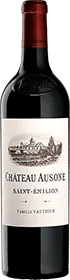
Château Ausone 2008
Pre-arrivals – 2 to 4 months delivery

Let's talk about this product!
A pairing in mind? A question about the vintage? Comparison with another product? Find the answers here...
Description
Tasting Notes and Serving Tips for Château Ausone 2008
Tasting
Appearance
The color reveals an intense, deep bluish-purple hue, almost black, with remarkable brilliance.
Nose
The nose is initially discreet, then gradually opens onto a complex bouquet of black fruits (blackberry, blackcurrant, blueberry) accompanied by spring floral notes. Hints of licorice, truffle, and a chalky minerality typical of the limestone terroir round out this refined aromatic palette.
Palate
The palate offers a medium to full body, with a silky texture and tannins of remarkable finesse, almost cashmere-like. The attack reveals beautiful fruit concentration, while the mid-palate unfolds an impressive density with gentle tannins and perfectly integrated acidity that brings freshness and vibrancy. The finish stands out for its exceptional, persistent length, with touches of vanilla and a hallmark chalky minerality.
Food and Wine Pairing
This Château Ausone 2008 pairs beautifully with roasted red meats, feathered and furred game, as well as mushroom- and truffle-based dishes. It also matches elegantly with aged hard cheeses.
Serving and Cellaring
It is recommended to decant Château Ausone 2008 a few hours before serving to allow its aromas to fully unfold. The ideal serving temperature is between 16 and 18°C. This wine can be enjoyed until around 2058.
A Premier Grand Cru Classé A from Saint-Émilion with Exceptional Mineral Elegance
The Estate
Château Ausone ranks among the Premiers Grands Crus Classés A of Saint-Émilion. Located at the southern entrance to the medieval village, this 7.25-hectare estate takes its name from the Roman poet Ausone, who lived in the 4th century. The estate is now run by Alain Vauthier and his children, representing the eleventh generation of winemakers from the same family. Since 1997, the year Alain Vauthier took full control of the estate, Château Ausone has produced wines of exceptional quality, recognized among the greatest in Bordeaux. Its unique limestone terroir and rigorous vineyard management make this estate an absolute benchmark.
The Vineyard
The Château Ausone vineyard benefits from an outstanding terroir within the Saint-Émilion appellation. The vines are planted on a south-east-facing hillside, offering optimal exposure. The soil is composed of one quarter rare asteriated limestone, uncommon within the appellation, and three quarters clay-limestone on the slopes. This distinctive geology gives the wines their signature chalky minerality. The vineyard is naturally protected from winds and frost thanks to its amphitheater-like layout and the proximity of the Dordogne and Isle rivers, which create a favorable microclimate. The average vine age reaches 50 years, with some cabernet franc vines dating back to 1906. Vineyard practices draw on organic and biodynamic methods, favoring gentle interventions and respect for the ecosystem.
The Vintage
The year 2008 in Bordeaux was characterized by a late, cool spring followed by a long, relatively cool summer. These weather conditions significantly extended the growing cycle. Harvest took place very late, between October 17 and 20, allowing the grapes to reach optimal phenolic ripeness despite the season’s coolness. This classic year produced wines marked by freshness, elegance, and higher acidity than warmer vintages, while retaining beautiful fruit concentration.
Winemaking and Aging
Harvesting for Château Ausone 2008 was carried out by hand, with rigorous berry selection. Exceptionally low yields of 27 hectoliters per hectare ensured remarkable concentration. Vinification is carried out plot by plot in small wooden vats, allowing precise monitoring of each terroir. Malolactic fermentation takes place in French oak barrels. Aging of the grand vin lasts 24 months in new French oak barrels, sourced from five different cooperages to bring complexity without overpowering the expression of the terroir.
Grape Varieties
Cabernet franc (55 %)
Merlot (45 %)