


Organic Champagne
Products (8)
RP | 89AM | 91JR | 16
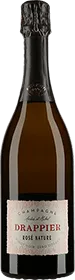
A Brut Nature saignée, 100% Pinot Noir, balancing vibrant red fruit and chalky minerality
$74.99
($74.99 / unit)
In stock. Available for pick-up at store
RP | 96GV | 94/100
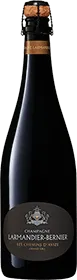
Pure blanc de blancs from Avize, this extra brut Grand Cru shines with its tension.
$179.99
($179.99 / unit)
In stock. Available for pick-up at store
WS | 90/100GV | 89/100
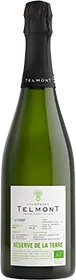
$99.99
($99.99 / unit)
In stock. Available for pick-up at store
Want to save time?
Write what you're looking for in your own words, our virtual assistant will guide you through your choices!
RP | 93GV | 93/100
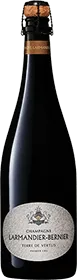
A non-dosage blanc de blancs combining mineral tension with a creamy texture.
$109.99
($109.99 / unit)
In stock. Available for pick-up at store
RP | 91JS | 93/100WS | 92/100
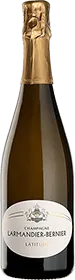
Round and creamy blanc de blancs, barrel-aged, with aromas of pear and lemon.
$77.99
($77.99 / unit)
In stock. Available for pick-up at store
RP | 95JR | 18.5
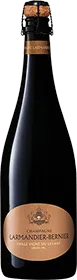
$179.99
($179.99 / unit)
In stock. Available for pick-up at store
RP | 94JS | 92/100WS | 88/100
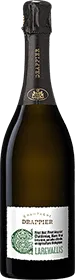
No discount applicableDrappier : Clarevallis Extra Brut
$440.00
($73.33 / unit)
In Stock
WS | 92BD | 15.5/20JR | 17
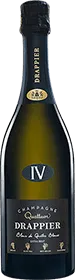
No discount applicableDrappier : Quattuor Blanc de Quatre Blancs
Four rare white grape varieties, including three forgotten ones, pure minerality and fruity breadth.
$740.00
($123.33 / unit)
In Stock