Assistant


 Futures wines deliveryArrival in 2027 for Wine Futures 2024 or in 2028 for Wine Futures 2025
 Secure PaymentVisa, American Express, Mastercard...
 Guaranteed provenanceAuthenticity & Traceability of origin
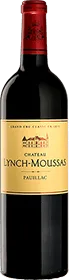
Château Lynch-Moussas 2024
Only 1 available
Wine Futures – delivery in early 2027

Let's talk about this product!
A pairing in mind? A question about the vintage? Comparison with another product? Find the answers here...
Description
Characteristics and Tasting Notes for Château Lynch-Moussas 2024
Tasting Notes
Nose
Fresh and complex, the nose reveals delicious fruity and spicy notes.
Palate
The palate is smooth and well-balanced. Silky tannins are supported by an airy, generous, and floral style.
Food and Wine Pairing
This great Pauillac wine pairs perfectly with grilled red meats, duck breast, slow-cooked dishes, or mature cheeses. Its tannic structure and aromatic complexity also make it an ideal companion for game dishes.
A Generous and Elegant Grand Cru Classé from Pauillac
The Estate
Founded in 1610, Château Lynch-Moussas became, in the 18th century, like Château Lynch-Bages, the property of the famous Lynch family, originally from Ireland. The Castéja family, established in Pauillac since the 16th century, became its owner in the early 20th century.
The Vineyard
The vineyard of Château Lynch-Moussas extends over an exceptional terroir in Pauillac, characterized by gravelly soils composed of pebbles and gravel. This geological composition, typical of the Médoc, provides excellent drainage and ideal heat reflection for grape ripening.
The Vintage
The year 2024 began with a cold and wet winter, followed by a mild but unpredictable spring. Bud break occurred around March 20th, with significant rainfall. Flowering took place from mid-May to early June under unstable weather conditions. July brought an improvement, followed by an ideal August, while September remained uncertain. The harvest, carried out from late September to early October, required careful sorting of the grapes. The year saw sunshine levels 9% below average, along with rainfall 10% above average.
Winemaking and Aging
Cold maceration, followed by alcoholic fermentation in temperature-controlled stainless steel tanks for about 10 days. After malolactic fermentation, the wine was aged for 14 to 24 months in barrels, 58% of which were new oak. The blending was then carried out in tank before returning to barrel, with bottling taking place a year later.
Blend
78% Cabernet Sauvignon and 22% Merlot.