Assistant



 Pre-arrivals wines delivery2 to 4 months
 Secure PaymentVisa, American Express, Mastercard...
 Guaranteed provenanceAuthenticity & Traceability of origin
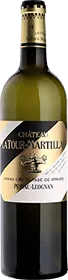
Château Latour-Martillac 2023 white
Pre-arrivals – 2 to 4 months delivery

Let's talk about this product!
A pairing in mind? A question about the vintage? Comparison with another product? Find the answers here...
Description
Characteristics and Tasting Notes for Château Latour-Martillac 2023
Tasting
This vintage harmoniously combines tension and freshness with luscious aromas of exotic fruit, citrus, and white peach. The finish is persistent, seducing with its density.
The Freshness and Elegance of a Full-Bodied, Fresh White Wine from Pessac-Léognan
The Estate
The Château Latour-Martillac owes its name to a tower standing in the château's main courtyard. This tower is the remnant of a 12th-century fort that once controlled the road from Bordeaux to Toulouse. Owned by the Kressmann family since 1871, Château Latour-Martillac was awarded Cru Classé de Graves status for both its red and white wines in 1953. Today, Tristan and Loïc Kressmann continue the family tradition with passion and ambition, upholding the art of crafting great red and white wines from Graves.
The Vineyard
A benchmark among Pessac-Léognan wines, Château Latour-Martillac oversees a 54-hectare vineyard, 45 of which are dedicated to red wine and 9 to white. The estate enjoys an exceptional location within the appellation. The Martillac plateau is composed of a mosaic of Quaternary gravel, made up of flint, quartz, lydite, and jasper. These soils form the terroir of choice for Cabernet Sauvignon and Petit Verdot. The estate's other main terroir is located near the Garonne River, where clay-limestone soils with gravel on the surface can be found. This is where Merlot is planted, along with the estate's white grape varieties, Sauvignon Blanc and Sémillon.
The Vintage
Mild winter temperatures, aside from a cold spell in February, favored bud break in early April—a period also marked by a frost event that did not affect the vineyard thanks to the protective measures put in place by the estate. During May, alternating warm and humid conditions led to rapid vineyard growth as well as strong mildew pressure affecting the Merlot. Although a relative coolness in late July and early August slowed vegetative growth, it ensured a gradual ripening of the berries through to harvest.
Winemaking and Aging
Aged in oak barrels (25% new).
Blend
Sauvignon Blanc (60%)
Sémillon (40%).