René Gabriel
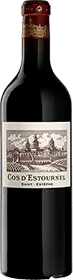
Even from barrel, this wine was a revelation and instantly ranked among the top wines. I practically became an ambassador for it. With a bit of luck, you can still find it at fair prices at auctions today. 98: At the big Cos vertical at Cellier Mövenpick, Zurich, it was the star of the evening. And only one other wine came close to this phenomenal ’88 Cos: Cos 1991! Notes from that tasting for the ’88 (19/20): sweet, slightly Malaga-like bouquet, plenty of plum tones, dried porcini. On the palate, opulent, again a malty, plummy extract note, lots of dried fruit in the typically spicy Cos finish, now fully at its peak. 00: Torn, I am, by this wine, which seems to be losing more and more of its aromatics and now shines with a finesse reminiscent of Lafite. So delicate and so tender that it can’t really be compared to any other St. Estèphe. If it was impressive in its fruit phase and rather for lovers of power and aromatics, it is now a violin sound for those wine lovers who also have the word “finesse” in their vocabulary. In Arosa in spring, once again the crowd favorite. At a wine lunch at the Sempacherhof, a magnum: divinely fine and fragrant like a St. Julien (for the spice). Not a wine of power and drive, but—as always mentioned—fine, delicate and dancing. 04: Experienced again several times now. It is fully ready to enjoy, elegant and spicy, and seems likely to balance at this level for quite some time. (18/20). 2006: In a trio of 1988, 1989, 1990, Cos clearly the best wine and still appearing quite young. (19/20). 06: Deep dark garnet, scarlet reflections. Powerful, still compact bouquet, mocha, prunes, licorice, herbal notes, lemon thyme, still young and gaining with air. Dense palate, showing lots of flesh in the extract, dried plums, fig paste, firm frame and still astringent. One of the very best 1988s of the Bordelais and certainly—out of this Jéroboam—benefiting from the large-format bonus. 08: Rather dark wine-red, little maturity tones, still bluish reflections. Spicy bouquet, venison notes, green bell pepper, indicating a slim, medium depth, steel wool. On the palate still quite fleshy, shows muscle, displays tannin reserves on the tongue, still a bit unfinished and has developed beautifully over the last 20 years. There’s still more in the tank and the wine gains with air. Rated blind at 18/20. 09: In Bad Ragaz it showed ripe, with a bit more earth than fruit notes. That’s its right after 20 years. If you drink it now—you won’t be wrong. 10: Now becoming ever finer, but also a bit slimmer. (18/20). 13: The Cabernet expression shows a gamey note, is slimming down; in the finish cloves and graphite, as well as cedar. (18/20). 16: Medium-dark, but still quite young. The nose starts a bit cool (greenish Cabernet sheen), vegetal, and only on the second approach does the wine take off. Showing a discreet, classic bouquet that is still surprisingly fresh. On the palate with well-supporting acidity, but now slowly tending towards lactic, the finish tastes—among other things—like a cold chocolate drink. (18/20). 17: Despite its maturity, it is still wonderful to drink. Lots of spice with a slender body. (18/20). 17: I took a bottle to a beef tongue dinner at Ruedi Waser’s. Wonderful. Both! 18: It shows one of the deepest colors of all the 1988s tasted, deep garnet with almost black reflections. Noble bouquet; cedar scent, Brazil tobacco, currants, fine woods and even coconut tones (red Bounty). It shows depth and, despite the then-modern vinification, comes across as quite classic. On the palate noble, delicate, elegant with a filigree residual astringency, dark beer malt on the finish and this also expresses itself with a certain touch of Guinness, complemented by aromas of pumpernickel bread. It is fully mature, so no long decanting. Or better yet—not at all. (18/20). 20: Slightly matte, little-evolved wine-red. Cool bouquet, damson skins, beet juice, inky notes, dark leather, Brazil cigars, licorice, Szechuan pepper, jasmine tea and light fine woods. It presents itself completely open immediately after uncorking. Then it gains slightly. It becomes subtly sweeter, shows plum tones and fascinates more and more. The layers also build. Noble palate, good flow. Quite fine tannins for the often rather rough 1988 vintage. When slurped it shows red to blue berry fruit remnants, aromatic finish. On the aftertaste one finds a noble chocolate bitterness. It has held up very well over all the years. A beautiful Cos that has been on the peak for years. Somehow it still delivers another survival guarantee. (18/20). 21: Still shows a superb color. Almost black at the core! The bouquet shows from the first second a classic, ripe great Médoc! Truffle, tar, currants, dark leather, cold smoke, prunes and Brazil tobacco. It continues the same way on the palate. The Cabernet shows minimal greenish, but therefore spicy-minty traces. It is at full maturity and still brings a lot of joy. Do not decant! (18/20).


 Pre-arrivals wines delivery2 to 4 months

 Secure PaymentVisa, American Express, Mastercard...
 Guaranteed provenanceAuthenticity & Traceability of origin