René Gabriel
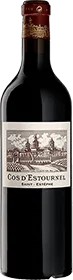
86: One of the most impressive barrel samples: I’ve never had such a deep, almost black wine flow straight from cask into the glass. Already among the vintage’s favorites at the en primeur tastings. Despite the abundant tannins, the wine practically never shut down completely, which pushed me to order it again and again and to drink it often at home. In 1999 it surprised with a certain shift in its aromatics: instead of closing up its fruit to become a classic Bordeaux, it developed more of a Sangiovese affinity and, with its chocolatey touch, turned into a France/Tuscan hybrid. 03: Now gently lightening, still dense in the middle, but showing orange reflections at the rim. The bouquet shows warmth, dried fruits, and raspberry pips. On the palate, the tannins now seem to be gently drying out, which on one hand indicates it’s at a pleasurable maturity, but also prevents it from gaining further. Should one finish the remaining bottles, or does this tannic dryness hide a small reserve? (18/20). 05: A mature bottle that still carried remnants of fruit, mingling with woodland aromas. In autumn in the Stubai Valley: brightening garnet, ruby rim. A rather slender‑seeming bouquet; the nose starts with red cherries, then shows freshly roasted coffee and ripe plums—elegant, fragrant, and multi‑layered. For a Saint‑Estèphe, an astonishingly finely structured palate; again coffee notes, still very fresh, and a brilliantly matured, very elegant wine with terrific overall aromatics (18/20). Counted among the loveliest wines at Stefan Huwiler’s Cos vertical! (18/20). 10: Medium garnet, bright. Red bell pepper, pink peppercorns, mocha; the nose seems quite young. On the palate lighter than in earlier tastings, subtly sinewy; the tannins are starting to tug—still good, but now high time. Slowly heading toward 17/20. 12: At a lunch at Cos. The brilliant and significantly more concentrated 1985 stood beside it. You can now feel the sweetness from Merlot and the vegetal note from Cabernet, so the wine is dividing more and more. Do not decant and drink cool. (17/20). 15: Mature wine‑red with a brick‑red shimmer at the rim. Mature bouquet—something like washed‑rind cheese crust at first, then sweet plum compote. Soft entry on the palate and highly evolved; on the second pass it shows distinctly lactic notes, yet ultimately pleases more on the palate than on the nose. However, it had to concede to the phenomenal Meyney. At the end of its pleasure phase. (17/20). 16: An astonishingly deep color—matte, yes, but because there was quite a lot in the glass I almost saw black highlights. The nose is highly mature, with mushroomy tones. I’ve had similar experiences with the 1986 Cos in recent years. On the palate, mature, slightly thinned out; despite the brilliant color it shows an age patina. I hadn’t expected it to be so tired. Are there better‑preserved bottles? I hope so. Score for this bottle: just under 16/20. 20: When pouring, many fairly large carbon‑dioxide bubbles formed. They diminished after a few minutes, became smaller, but remained for a very long time on the surface at the rim of the glass. Quite dark color, few maturity tones. Reassuring, classic Médoc bouquet: black peppercorns, Bakelite, smoke, dark leather, prunes, and currants. The latter are found only in the aromatics; the corresponding sweetness isn’t there—which is no flaw. Above all, I was amazed how intact this 35‑year‑old Saint‑Estèphe still appeared on the nose. On the second pass, you find raspberry tendrils and dried lingonberries. On the palate, slender, noble, gallant, juicy, long, and aromatic. In the finish there’s a fine green Cabernet‑Sauvignon note. Not a flaw, but a hallmark of the vintage. A contemplative wine of the Cos era, and I still like this style today. Back then they didn’t just push to or beyond the limits in vinification; they accepted the vintages as nature presented them. It should be noted that bottles of 1985 encountered today can vary greatly. At times, some encounters with this wine dropped to as low as 16 points. Here I had a veritable renaissance in the glass. (18/20). But only for an hour. Then it grew tired. (16/20).





 Pre-arrivals wines delivery2 to 4 months
 Secure PaymentVisa, American Express, Mastercard...
 Guaranteed provenanceAuthenticity & Traceability of origin