

Assistant
Champagne Drappier: A Legendary Champagne House in Urville
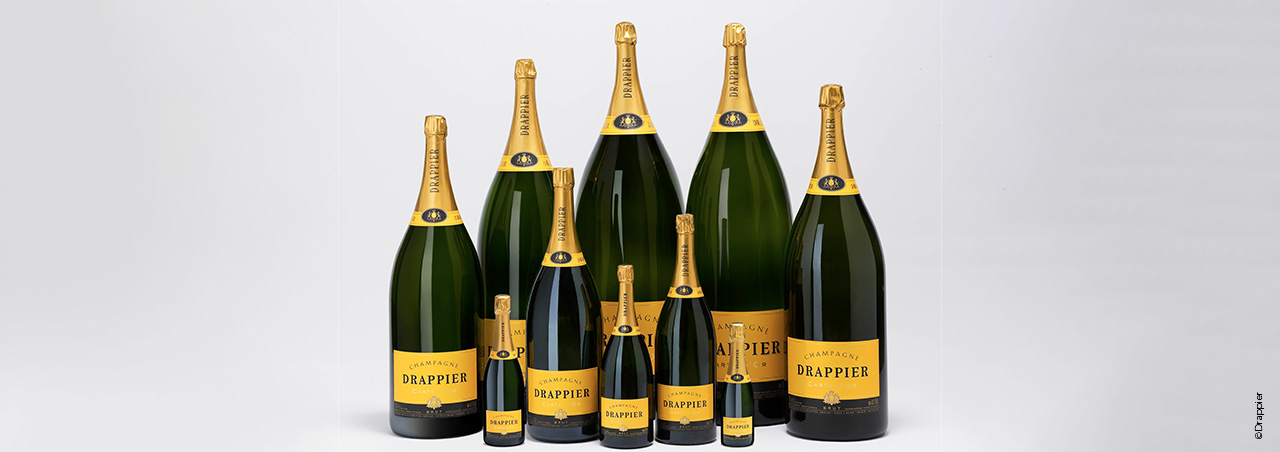
For over eight generations, Champagne Drappier has crafted exceptional Champagnes from Pinot Noir–dominated vineyards in Urville, combining tradition, innovation, and natural winemaking.
Champagne Drappier: Excellence in Champagne
The Drappier Champagne House is one of the finest, most unique Champagne houses that has been producing this effervescent luxury product for over eight generations. Located in Aube, the family has been an influential leader in Champagne in terms of introducing Pinot Noir to the area and reducing sulfur levels in their wines. They also have some of the oldest and largest cellars in all of Europe. Let’s take a look at how Champagne Drappier became one of the top producers in the world.
The History of Champagne Drappier: From Clothing Merchant to Renowned Champagne House
Champagne Drappier had its beginnings way back in the 17th century with Remy Drappier born in 1604 who became a clothing merchant in Reims. However, it wasn’t until 1808 when his ancestors made the move to Urville and established the current-day vineyards. The vineyards cover around 60 hectares owned by the estate, with more than 110 hectares cultivated in total through partnerships with growers, and Champagne Drappier also has partnerships with other winegrowers in Côte des Bar, the Montagne de Reims and the Côte des Blancs.
Over the years, there have been many transformations in the vineyards to make Champagne Drappier what it is today. In the early 1930s, George Collot, the grandfather of Michel who leads the House today, decided to grow Pinot Noir, which now covers 70% of the family vineyards. The 1957 frost that ravaged the vineyards led to the decision to also grow Pinot Meunier, a variety that can put up a fight against Champagne’s cold weather in the spring. Rare varieties like Petit Meslier, Blanc Vrai and Arbane are also dotted throughout the vineyards, all of which have contributed to Champagne Drappier’s uniqueness.
Michel Drappier has been in charge of the House and its winemaking since 1979, and his three children Charline, Hugo and Antoine help with the running of the House, now in its eighth generation.
Historic Limestone Cellars of Champagne Drappier
Their two limestone cellars have a lengthy history as well. The oldest ones were built in 1152. The Drappier family later purchased them and started using them after World War II. These cellars in and around Urville are specifically used to store many of their fine vintages and their large-sized bottles. The other cellars in Reims are used to age the House’s exceptional cuvees like the Grande Sendree and the Millesime Exception.
Champagne Drappier Winemaking: A Natural and Low-Sulfur Approach
The vines grow in an extremely rich limestone terroir. Once the grapes are harvested, Champagne Drappier takes the utmost care to produce the most elegant, aromatic wines as naturally as possible.
After the grapes arrive at the winery, mechanical low-pressure presses are used to extract the juice. The juice is then handled with great care to avoid oxidation and so the use of gravity is used to avoid pumping. The juice is then settled naturally before it goes through its first fermentation for about two weeks at a low temperature.
Malolactic fermentation then follows, which takes place naturally. The entire Drappier family then comes together to complete one of the most important processes, blending their unique cuvees.
Champagne Drappier has been one of the biggest champions against the excessive use of sulfur, so prior to bottling, they use the weakest doses. As a result, their wines have more natural colors and more expressive aromas.
Interestingly, the liqueur d’expédition that tops up the cuvees is aged in oak casks and then in demijohns for more than ten years. This type of ageing contributes to the concentration and complexity of the wines.
Once bottled, the cuvees head into the cool, dark, limestone cellars for at least 30 months of ageing.
Several vineyard parcels are certified organic and the estate follows sustainable viticulture practices. Since 2016, Champagne Drappier has also been recognised as the first Champagne House to be certified carbon neutral, reflecting its strong environmental commitment.
The Best Champagne Drappier Cuvées and Exceptional Wines
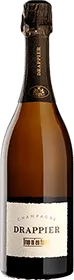
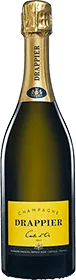
Champagne Drappier produces some of the world’s most exceptional Champagnes. Their flagship product can’t be missed with its distinctive yellow label, the Drappier Carte d’Or cuvée. It was first launched in 1952 and is 75% Pinot Noir, 15% Chardonnay and 10% Meunier.
Drappier Brut Rosé and Prestige Rosé Champagnes
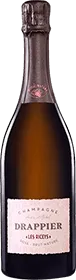
Another exceptional cuvée is the Drappier Brut Rosé produced using the saignée method and made with 100% Pinot Noir. It was introduced in 1968 in a clear glass bottle, and its success has made its way to the Elysée Palace.
Other rosé blends include the Grande Sendrée Rosé 2006 and the Grande Sendrée Rosé 2008 that have Pinot Noir as the dominant variety with a touch of Chardonnay.
Drappier Millésime Exception Vintage Champagnes
Champagne Drappier also offers ‘Millésime Exception’ vintages that consist of a blend of Pinot Noir and Chardonnay, with Pinot Noir usually around 60–65%. Exceptional vintages include the Drappier Millésime Exception 2006, Drappier Millésime Exception 2008 and Drappier Millésime Exception 2012.
Unique Champagne Drappier Cuvées and Rare Grape Varieties
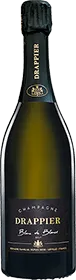
Of course, the portfolio is not complete without the Drappier Blancs de Blancs, which is 100% Chardonnay. We also have to mention the Drappier Charles de Gaulle named for one of the House’s most famous clients, which consists of a Pinot Noir and Chardonnay blend.
Former President de Gaulle chose Champagne Drappier for his private receptions in Colombey-les-Deux-Églises just outside of Urville, where he lived when he wasn’t at the Elysée Palace.
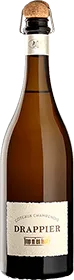
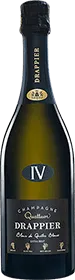
Finally, we definitely can’t forget one of the most unique wines with some rare varieties, the Drappier Quattuor Blanc de Quatre Blancs, which is a blend of 25% Arbanne, 25% Petit Meslier, 25% Blanc Vrai and 25% Chardonnay.
From clothing merchants to renowned winemakers, Champagne Drappier has come to be known as one of the finest Champagne houses in the world with a commitment to a winemaking process as natural as possible that produces exceptionally refined wines for any occasion.
You may like
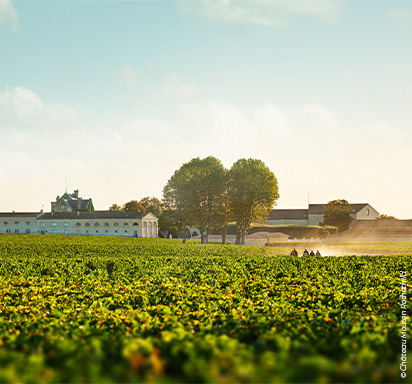
Château Mouton Rothschild is a legendary Pauillac First Growth celebrated for its prestigious history, artist-designed labels, exceptional gravel terroir, and powerful yet refined Bordeaux wines with remarkable aging potential.
2/6/2026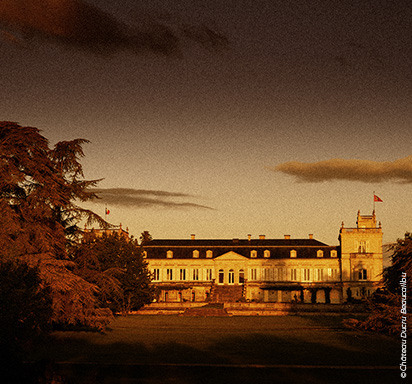
Château Ducru-Beaucaillou is a renowned Saint-Julien Second Growth celebrated for its “beautiful stone” terroir, meticulous plot-by-plot winemaking, and refined, age-worthy Bordeaux wines crafted by the Borie family.
1/27/2026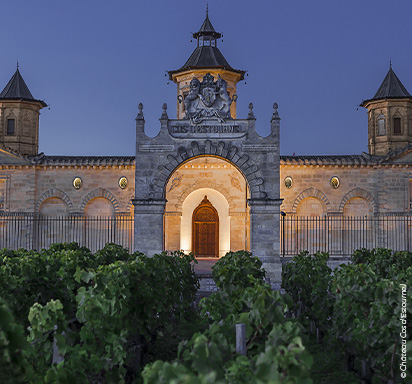
Château Cos d’Estournel is an iconic Saint-Estèphe Second Growth, famed for its exotic palace, exceptional terroir diversity, and innovative gravity-fed winery producing powerful, elegant Bordeaux wines.
1/23/2026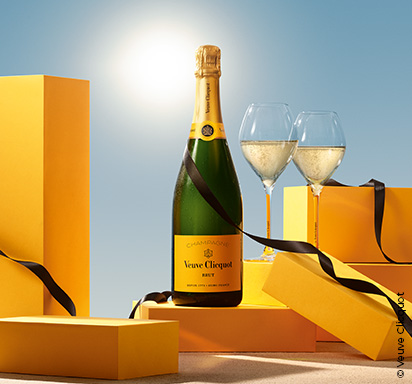
Discover the best champagnes under $100 — Moët, Veuve Clicquot, Ruinart, and Laurent-Perrier. Elegant, flavorful, and celebratory, they’re perfect gifts for wine lovers and anyone who cherishes the sparkle of fine champagne.
11/6/2025
Discover the legacy of Cakebread Cellars, a Napa Valley family winery. From Rutherford vineyards to award-winning wines, the Cakebreads combine craftsmanship, sustainability, and innovation.
10/16/2025
Explore Château Lafite-Rothschild, an icon of Pauillac and a symbol of Bordeaux perfection. From its 17th-century roots to its refined terroir, learn how this Premier Grand Cru continues to define fine wine excellence.
10/7/2025