

Assistant
Château Cos d’Estournel : Iconic Saint-Estèphe Second Growth Wine
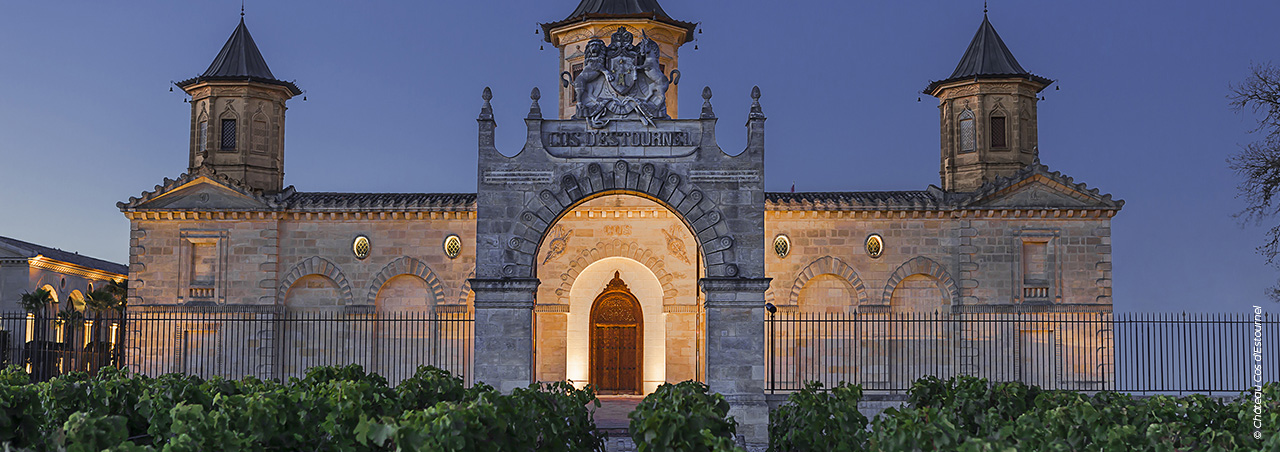
Château Cos d’Estournel is an iconic Saint-Estèphe Second Growth, famed for its exotic palace, exceptional terroir diversity, and innovative gravity-fed winery producing powerful, elegant Bordeaux wines.
A Legendary Saint-Estèphe Estate
Undeniably one of the most iconic wine estates of the Saint-Estèphe appellation, Château Cos d’Estournel has long seduced lovers of Bordeaux wine with its sultry, spicy, and intensely flavored expressions. Classified as a Second Growth in the 1855 Bordeaux Classification, this legendary Left Bank estate is imbued with its founder’s adventurous spirit and love of mysticism, standing apart from other Médoc châteaux in countless ways.
Architecture, Terroir, and Innovation
From the exotic pagodas adorning its monumental palace to the dazzling diversity of its prized terroirs, and from its state-of-the-art, 100% gravity-fed winery to its meticulous parcel-by-parcel vinification, Cos d’Estournel is truly a wonder to behold. It is a singular, fascinating Saint-Estèphe just waiting to be discovered.
The History of Château Cos d’Estournel, an Emblematic Saint-Estèphe Second Growth
The Estate’s Origins (1811)
The story of Château Cos d’Estournel begins in 1811, when Louis-Gaspard d’Estournel purchased several hectares of vines to add to land he already owned near the village of Cos, in Saint-Estèphe. Under the name Cos d’Estournel, he began producing wines that quickly became renowned for their quality and were widely exported, even reaching Calcutta by the 1830s.
The “Returned from India” Wines
Occasionally, bottles that remained unsold abroad were returned to the estate, where they were discovered to be even more expressive than when they had first been shipped. These wines, specially labelled “R” for “Returned from India,” had rested in bottle during their long sea voyage, developing complex aromas and enhanced depth with age.
International Prestige and Royal Courts
The wines of Cos d’Estournel eventually gained admirers in the royal courts of Queen Victoria, the Russian Tsar, and Napoleon III, as well as among the Maharajahs and Nabobs of India. Louis-Gaspard d’Estournel’s adventurous spirit and fascination with the Orient earned him the nickname “The Maharajah of Saint-Estèphe.”
An Oriental Palace in Saint-Estèphe
Inspired by Far Eastern architecture, he erected a magnificent palace in Saint-Estèphe, still considered one of the cultural gems of the appellation. The château features monumental pagodas, ornamental elephant statues, and a spectacular sculpted Buland Darwaza main door imported from the palace of the Sultan of Zanzibar.
Sale of the Estate and 1855 Classification
In 1852, burdened by mounting debt, Louis-Gaspard d’Estournel sold the estate. He died just one year later, regrettably only two years before the 1855 Classification, which nonetheless ranked Château Cos d’Estournel as a Second Classified Growth of Saint-Estèphe.
Changing Ownership Through the Centuries
Over the 19th and 20th centuries, the property passed through several owners, including the Martyns family of London, the Errazuriz family from the Basque Country, and the Hostein brothers. In 1917, it was acquired by Fernand Ginestet, whose family, alongside the Prats family and Bruno Prats, preserved the estate through difficult periods.
A New Chapter in the 21st Century
In 2000, the château was purchased by Michel Reybier, marking a new chapter of investment and innovation. In 2012, Aymeric de Gironde, former marketing director of Châteaux Pichon Longueville, Suduiraut, and Petit Village, became managing director, succeeding Jean-Guillaume Prats.
The Diverse Terroir of Château Cos d’Estournel in the Northern Médoc
A Strategic Left Bank Location
The Cos d’Estournel estate lies in the southern part of the Saint-Estèphe appellation, in the northern Médoc, bordering Pauillac on the Left Bank of Bordeaux. The vineyards are separated from Château Lafite Rothschild by the narrow Jalle du Breuil stream.
Oceanic Climate Influence
Situated between the Gironde Estuary and the Atlantic Ocean, Saint-Estèphe benefits from a distinctly oceanic climate. Cooling winds reduce humidity and help protect vines from disease, particularly mildew.
Soil Composition and Vineyard Layout
The estate spans approximately 100 hectares, including a plateau of deep gravel and two hills of gravelly and clay-rich soils. These parcels enjoy south-southwestern and eastern exposures with excellent natural drainage.
Grape Varieties and Planting Ratios
Approximately 65% Cabernet Sauvignon thrives on gravel soils and warmer slopes, while Merlot accounts for about one-third of plantings on clay-limestone and east-facing plots. Small parcels of Cabernet Franc and Petit Verdot complete the vineyard.
Old Vines and Vineyard Density
With an average vine age of 45 years, preserved through massal selection, the estate maintains genetic continuity and aromatic concentration. High planting density, 8,000 to 10,000 vines per hectare, further enhances fruit quality.
Micro-Terroir Analysis and Plot Management
A detailed soil study conducted in 2001 identified nearly twenty distinct soil variants. Vineyard plots were subdivided based on grape variety, vine age, sun exposure, and soil composition, enabling precise, micro-terroir-driven viticulture. Each grower oversees the same ten plots, approximately 40,000 vines, year after year.
The State-of-the-Art Winery of Château Cos d’Estournel
Embracing Modern Winemaking
Beyond its historic palace and exceptional terroir, Château Cos d’Estournel is known for its embrace of advanced winemaking technology.
Isothermal Vats and Precision Vinification
Introduced in 2003, truncated-cone isothermal vats allow homogeneous extraction during fermentation. Today, the estate operates 72 temperature-controlled vats dedicated to parcel-by-parcel vinification.
A 100% Gravity-Fed Process
Housed in a 2,000 m² gravity-fed winery completed in 2008–2009, the entire winemaking process occurs without pumps. Even pump-overs are performed using gravity, ensuring gentle handling of the fruit.
Barrel Cellars and Aging Conditions
Below the vat room lies the barrel cellar, housing approximately 1,500 oak barrels stored at a maximum of 59°F (15°C). Separate chambers are dedicated to white wines, while a hidden sanctuary preserves the estate’s oldest vintages.
The Signature Style and Wines of Château Cos d’Estournel
The Grand Vin of the Estate
The flagship wine blends roughly two-thirds Cabernet Sauvignon with one-third Merlot, complemented by Cabernet Franc and Petit Verdot. The average vine age in the blend is 55 years, with aging in oak barrels, 80% new.
A Classic Saint-Estèphe Profile
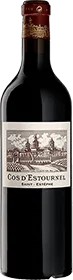
Dense, deep, and intensely aromatic, Château Cos d’Estournel offers spicy notes balanced by rich fruit, silky tannins, and a long, structured finish.
Les Pagodes de Cos, the Second Wine
Produced since 1994, the Second Wine, Les Pagodes de Cos, comes from vines averaging 35 years and offers a lively, fruit-forward, and accessible expression of the estate.
A Rare Bordeaux White Wine
First released in 2005, Cos d’Estournel Blanc blends 80% Sauvignon Blanc and 20% Sémillon, revealing notes of fig, lemon zest, mango, and apple.
Goulée by Cos d’Estournel
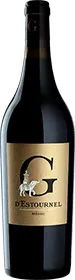
Finally, Goulée by Cos d’Estournel delivers intense red fruit aromas and smooth tannins, emphasizing elegance and immediate pleasure.
You may like
Château Mouton Rothschild is a legendary Pauillac First Growth celebrated for its prestigious history, artist-designed labels, exceptional gravel terroir, and powerful yet refined Bordeaux wines with remarkable aging potential.
2/6/2026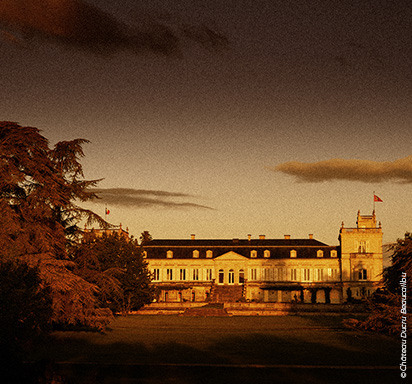
Château Ducru-Beaucaillou is a renowned Saint-Julien Second Growth celebrated for its “beautiful stone” terroir, meticulous plot-by-plot winemaking, and refined, age-worthy Bordeaux wines crafted by the Borie family.
1/27/2026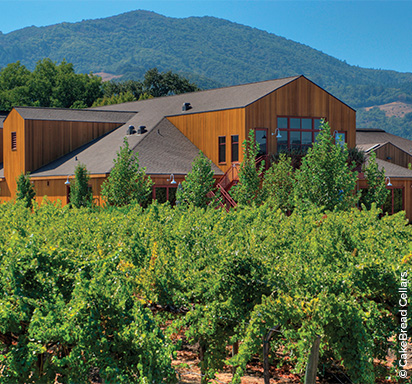
Discover the legacy of Cakebread Cellars, a Napa Valley family winery. From Rutherford vineyards to award-winning wines, the Cakebreads combine craftsmanship, sustainability, and innovation.
10/16/2025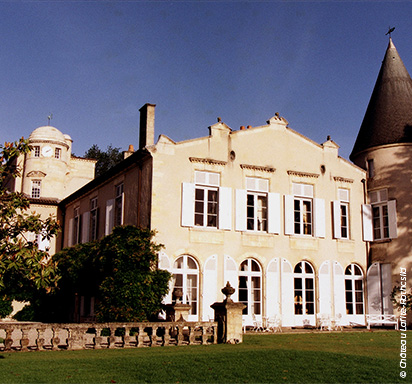
Explore Château Lafite-Rothschild, an icon of Pauillac and a symbol of Bordeaux perfection. From its 17th-century roots to its refined terroir, learn how this Premier Grand Cru continues to define fine wine excellence.
10/7/2025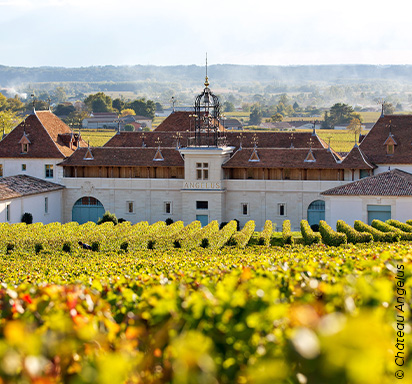
Chateau Angelus, one of Saint-Emilion’s top Premier Grand Cru Classe A estates, offers exceptional Bordeaux wines from organic vineyards, rich history, and a legacy of family winemaking excellence.
10/6/2025
The exceptional concentration of top-tier wineries and renowned appellations has long made Bordeaux a place of longing for fine wine enthusiasts and discerning hedonists around the world.
4/18/2025